Why the Future of Marketing Might Start With the Product
For years, marketers have focused on reaching consumers through external channels.
Social media. Search. Influencers. Retail media. Advertising.
But one of the most interesting marketing channels may already be sitting in the consumer’s hand:
the product itself.
As physical products become digitally connected, packaging is evolving from a static communication surface into something much more powerful.
It can become a media channel.
From Product to Touchpoint
Traditionally, packaging has had a clear job: protect the product, communicate essential information and help influence the purchase decision.
Connected packaging expands that role.
A QR code, NFC tag or other digital trigger can take someone from a physical product into an interactive experience in seconds.
That experience might offer personalised content, games, product information, rewards, recycling guidance or loyalty mechanics.
Suddenly, the relationship doesn’t have to end when the product leaves the shelf.
The product becomes the beginning of another conversation.
Why This Matters for Marketers
There’s something particularly interesting about this touchpoint.
The consumer may already have chosen the brand.
Instead of interrupting someone with an advertisement, marketers have an opportunity to engage a person who is physically interacting with their product.
But that doesn’t guarantee attention.
As more products become connected, simply adding a QR code won’t be enough.
Brands will need to think about why someone should interact, what value they receive and what happens after that first engagement.
That’s where marketing strategy, design, behavioural understanding and technology begin to overlap.
The Pack Can Keep Changing
Physical packaging is relatively fixed once it has been printed.
The digital experience connected to it isn’t.
Content can evolve around seasons, campaigns, consumer needs or new business objectives.
A competition might become a loyalty experience. Product education might evolve into personalised recommendations. Sustainability information can be updated as requirements change.
This means marketers can begin thinking about packaging not simply as a campaign asset, but as an always-on digital touchpoint.
The Bigger Shift
The most interesting change isn’t the QR code itself.
It’s what happens when millions of physical products become gateways to digital experiences.
Marketing starts moving closer to the product.
Packaging becomes measurable.
Consumers can respond rather than simply receive messages.
And brands can create relationships that continue after purchase.
For marketers, that raises an important question:
If your product could become one of your most valuable media channels, what would you do with it?
That’s a conversation we’re only beginning to explore.
About Jenny Stanley
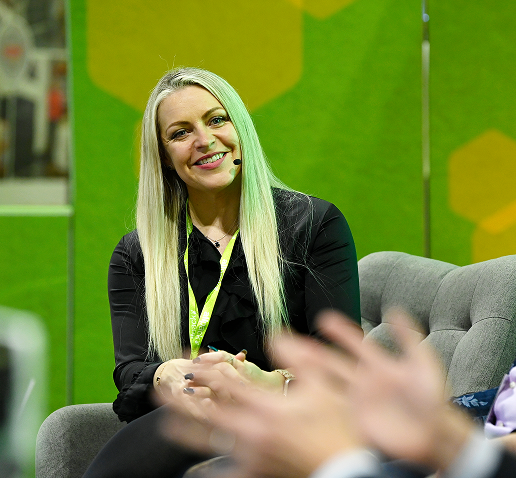
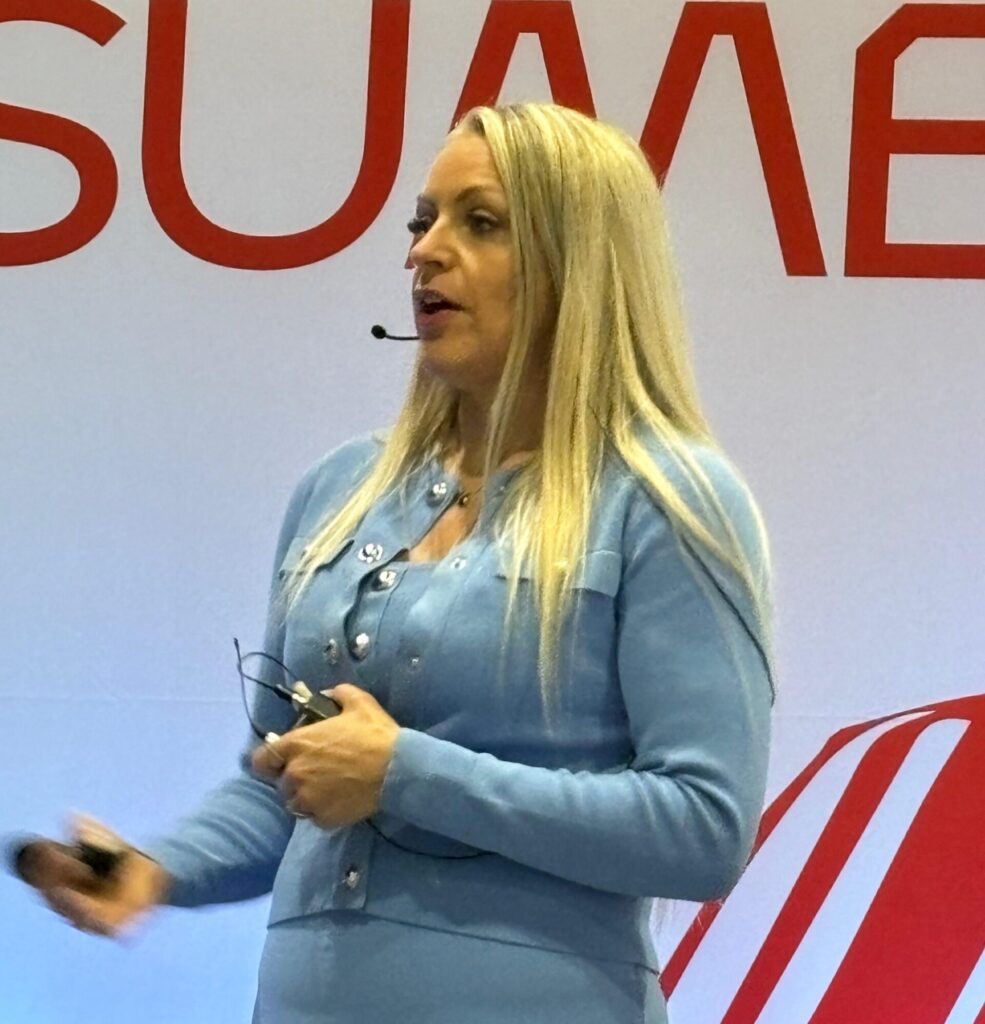
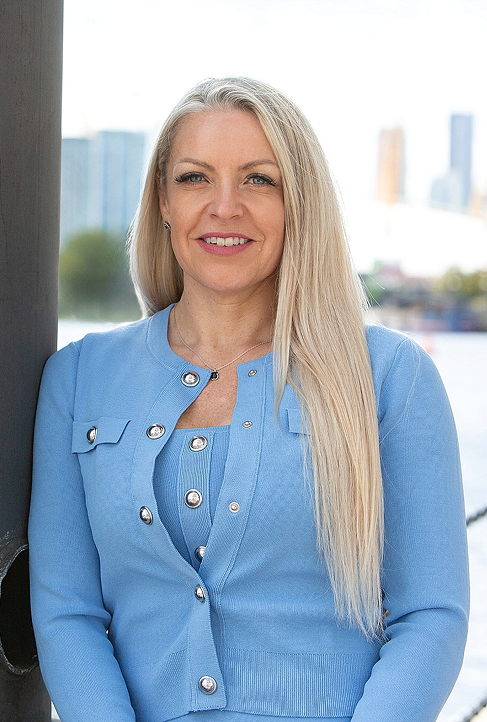
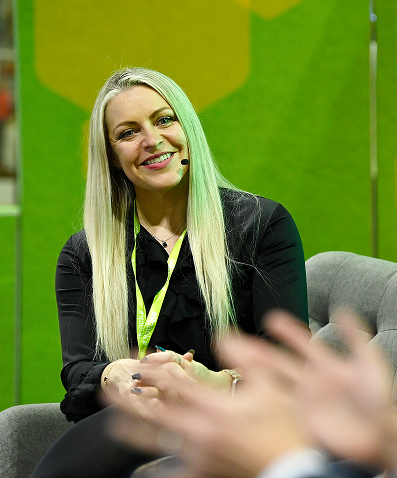
Jenny Stanley is the Founder and Managing Director of Appetite Creative and an international speaker on connected packaging, AI, consumer engagement and the future of marketing.
Her keynotes explore how emerging technologies are changing the relationship between physical products, consumers and brands, with practical insights drawn from real-world connected packaging experience.